
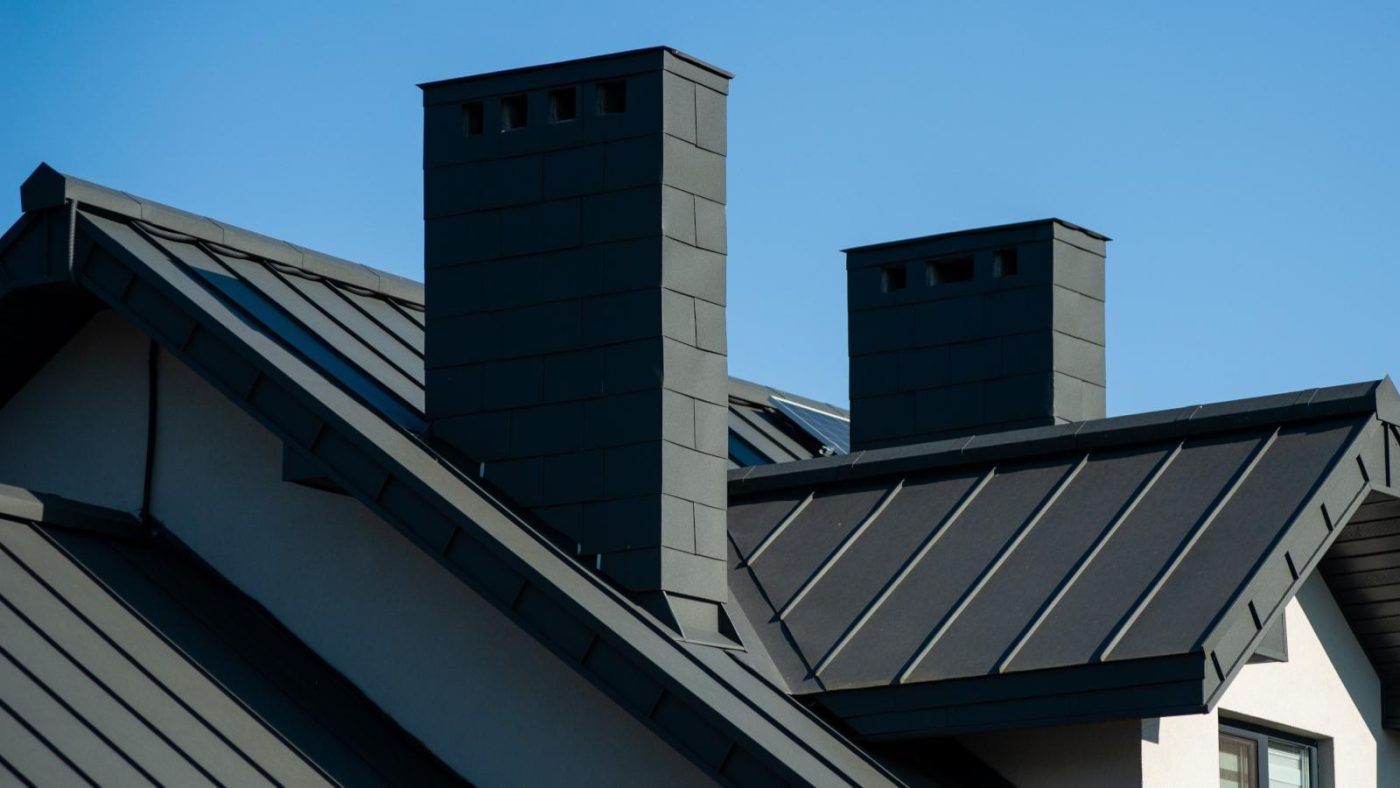
Picking the wrong roofing material for your Auckland home is an expensive mistake. Not because the options are bad, but because each one performs very differently depending on where your property sits, how the roof is pitched, and what you’re expecting from it over the next few decades.
Below, we break down the three metal roofing materials we work with most: Colorsteel, aluminium, and zinc. We’ll cover how each one performs in Auckland’s specific conditions, where each sits on the cost and longevity spectrum, and which is the best roofing material for your home.
Why Auckland’s Climate Makes Material Choice So Important
Auckland’s roofing conditions can be pretty unforgiving. You’ve got coastal salt air pushing in from both the Waitematā and Manukau Harbours, UV intensity that rivals subtropical climates, and winter rainfall that keeps coming. Get the material choice wrong, and you’re looking at accelerated corrosion, premature coating failure, or a warranty that doesn’t hold up because the product spec wasn’t fit for the environment.
Corrosion zone classification is the starting point. Homes within 500m of the coast sit in a severe marine environment. Between 500m and 1km is still considered high corrosion risk, and even inland Auckland properties aren’t completely immune. Prevailing westerly winds carry salt further than most people realise. Your chosen roofing material, and the grade within that material range, must match your actual exposure zone.
Then there’s seismic loading. Auckland sits on an active volcano field and within a moderate seismic zone. Lighter roofing materials reduce the load on your home’s structure, which is relevant for both new builds and older homes being re-roofed where structural capacity is fixed.
Choosing the Best Roofing Material for Your Home
There’s no single answer for every property in Auckland. When comparing aluminium, Colorsteel, and zinc roofing, the best choice depends on your location, budget, the build’s architectural profile, and how long you intend to hold the property. Let’s take a look at the three materials below to help you make the best call for your situation.
Colorsteel: New Zealand’s Go-To for Everyday Durability
Colorsteel is manufactured by NZ Steel using a Zincalume steel base with a factory-applied PVDF colour coating, engineered specifically for New Zealand conditions. When weighing up Colorsteel roofing vs aluminium or zinc, it’s the most accessible entry point without sacrificing genuine longevity. For Auckland, two grades matter:
- Colorsteel Maxx: Suits most suburban properties and carries a 30-year paint warranty.
- Colorsteel Endura: Offers superior corrosion resistance and is the minimum spec for anything within range of coastal salt air.
Colorsteel’s lifespan ranges from 40 to 70 years, depending on grade, maintenance, and coastal exposure. The colour range is also the widest, which matters if you’re matching existing cladding or working within council requirements.
Aluminium Roofing: Lightweight, Corrosion-Proof, and Built for the Long-Term
Unlike Colorsteel, aluminium roofing has no steel substrate, so there’s nothing to rust. For Auckland properties within range of coastal salt air, that’s a meaningful advantage. For older Auckland bungalows and villas where structural capacity is fixed, the weight advantage matters too. Two characteristics stand out:
- Corrosion Resistance: No steel substrate means no risk of rust, making it well-suited to coastal homes.
- Weight: Significantly lighter than steel-based products and considerably lighter than tile, which reduces load on older timber frames.
Aluminium’s lifespan is generally 50+ years with very little maintenance and no repainting needed. It also performs equally well as a wall cladding system, making it a strong choice for a unified material across both planes. Our interlocking wall panels are popular for this exact reason.
Zinc Premium: The Premium Long-Term Choice
Natural titanium zinc forms a protective zinc carbonate patina over time that is essentially self-healing. Minor surface scratches reintegrate into the patina layer because it’s the material itself responding to the environment, not a coating sitting on top. When comparing Colorsteel vs zinc roofing, longevity and acoustics are where zinc pulls decisively ahead. For our clients, two things set zinc roofing apart:
- Longevity: Lifespan is typically 80-100+ years, backed by documented performance on European buildings where zinc has been used for well over a century.
- Acoustics: Zinc is notably quieter in rain than thinner steel profiles, which matters for lower-pitched roofs.
Installation requires skill. Standing seam is essentially the only appropriate fixing method, and it needs to be done by someone who understands expansion movement and correct flashing detail. It carries the highest upfront cost of the three materials, but no other option here matches it for longevity and low lifetime maintenance.
Zinc vs Colorsteel Roofing vs Aluminium: A Direct Comparison
| Colorsteel | Aluminium | Zinc | |
|---|---|---|---|
| Lifespan | 40 to 70 years | 50+ years | 80-100+ years |
| Corrosion Resistance | Good (Endura/Maxx for coast) | Excellent, no steel substrate | Excellent, self-healing patina |
| Weight | Light | Very light | Light |
| Maintenance | Repaint every 10 to 15 years | Very low | Very low |
| Colour Options | Wide range | Factory finish options | Natural or pre-patinated |
| Relative Cost | $ | $$ | $$$ |
| Best For | Most Auckland residential properties | Coastal or older homes | Premium architectural builds |
What About Minimum Pitch and the NZ Building Code?
This is something many homeowners don’t consider until a designer or builder raises it, and it genuinely affects which material is appropriate for your roof.
NZS 3604 (Timber-Framed Buildings) and individual manufacturer installation specifications both set minimum pitch requirements for roofing products. These aren’t interchangeable. A Colorsteel long-run profile might have a minimum pitch of 3 degrees in certain fixing configurations, while a zinc or aluminium standing seam system can be detailed down to 1.5 degrees with appropriate underlays and seam profiles.
If your build involves a low-pitch or near-flat roof plane, the choice of material becomes a compliance question. Any specification should cross-reference the product’s own installation guide with the relevant NZS standard and your local council requirements. This is something your fabricator and installer should confirm at the design stage, not after the cladding is on order.
Which Material Is Right for Your Auckland Roof?
Here’s a simple guide, based on property type and location, to help you choose the best roofing material for your home.
- Coastal Auckland (within 500m of the coast): Zinc or aluminium are the strongest performers, but Colorsteel Endura is a solid option in this zone too. Don’t use standard Maxx in this zone.
- Inland and Suburban Homes: Aluminium’s weight advantage is worth the extra cost. Going from concrete tile to aluminium standing seam can significantly reduce load on an older timber frame.
- Premium New Build or Long-Term Architectural Projects: Zinc. The upfront cost is higher, but no other material in this comparison offers the same combination of longevity, low maintenance, and architectural character.
Get Your Roofing Installed by Auckland’s Professionals
Choosing the right roofing material is only half the job. Installation quality determines whether the material performs as intended by the manufacturer. We specialise in the precision installation of zinc, aluminium, and Colorsteel roofing across Auckland. Every project is installed to manufacturer spec, with flashings and penetrations detailed correctly from the start.
If you’re still weighing up Colorsteel roofing, aluminium, and zinc, get in touch with our team. We’ll give you a straight answer on what makes sense for your property, location, and budget.
